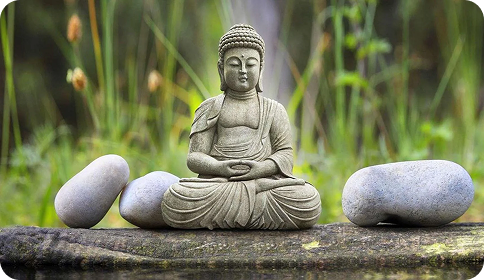
You don’t need to sit cross-legged for hours or empty your mind completely. Real meditation is simpler than you think. In this post, I share beginner-friendly practices you can do anywhere. At your desk, in your car, before bed. Calm your mind, reduce stress, and build awareness. Start with just five minutes and see what happens.
One of the biggest reasons people never start meditating is that they’ve absorbed an image of what it’s supposed to look like: hours of silence, a perfectly empty mind, maybe a mountaintop somewhere. In this post, I want to dismantle that picture completely because it keeps many people from ever trying something genuinely accessible and useful in everyday life. You don’t need a cave, a cushion, or years of training to start; you need a few honest minutes and a willingness to notice what your mind is actually doing.
In Tibetan tradition, the mind is often compared to a wild horse, jumping unpredictably from thought to thought. Meditation isn’t about forcing that horse to stand perfectly still; it’s about gently, patiently training it over time. I talk in this post about how the practice is really built around watching your own mind rather than controlling it outright. That distinction matters a lot for beginners because so many people give up on meditation the first time a thought interrupts their attempted stillness, assuming they’ve failed. In reality, noticing the thought and gently returning your attention is the entire practice. There’s no failure mode here.
I share a set of very simple entry points that don’t require setting aside a special block of time. One of the most powerful is just practicing presence: putting down your phone, stepping away from social media for a few minutes, and actually paying attention to what’s happening around and within you. I explain how something as small as noticing your surroundings while waiting in line, or genuinely listening rather than half-listening during a conversation, functions as a form of meditation in motion. I also talk about a habit of dedicating your day each morning, a brief mental note that whatever good you do that day is for the benefit of the people around you, which shifts your entire orientation before you’ve even gotten out of bed.
For people who want something a bit more structured, I walk through breathing-based practices that can be done in just a few minutes, whether that’s at your desk between tasks, in your car before you walk into work, or lying in bed before sleep. I also touch on the traditional idea of working with body, speech, and mind as three connected doors, and how something as simple as slowing your breathing or softening your posture can support a calmer mental state, even without formal seated meditation.
A theme I keep coming back to in this post is that consistency matters far more than duration. Five honest minutes a day, done regularly, will genuinely change how reactive you feel over time, much more than an occasional hour-long session you dread and eventually abandon. I also address the emotional side of this practice, because meditation isn’t about suppressing feelings or becoming a robotic, unemotional person. The goal is simply to create a small gap between a feeling arising and your reaction to it, so you’re responding to your life instead of being controlled by it.
If you’ve tried meditation before and felt like you were “doing it wrong,” or if you’ve never tried because it felt intimidating or overly mystical, this post is meant to meet you exactly where you are. There’s no special equipment, no correct posture, and no need to eliminate a single thought from your head. You just need to start, however small that start looks, and build from there.